



27 May What do silkworms have to do with houses in Tenos?

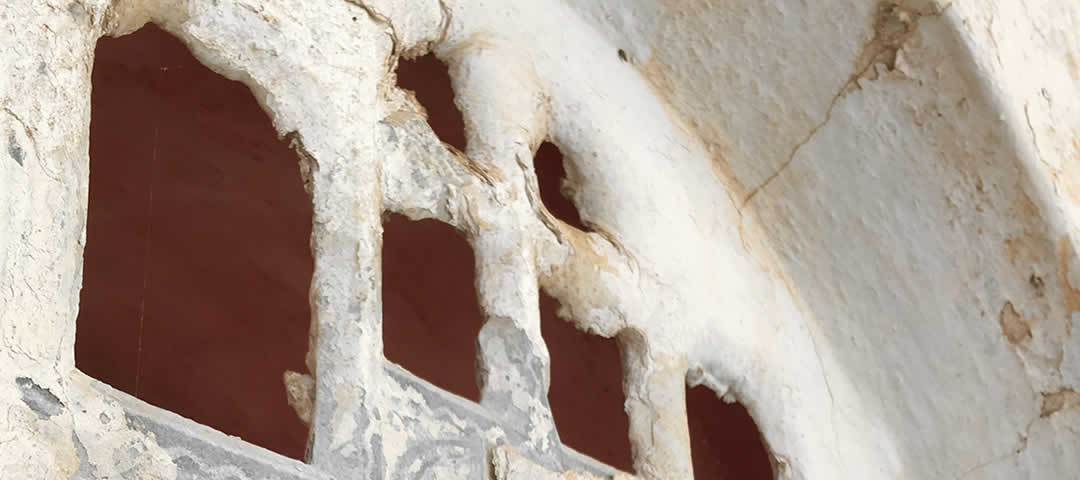
The rearing of silkworms, also known as sericulture, was well-developed in Tenos. Silkworms were raised in bamboo baskets suspended from the ceiling of the house. This is one reason why the houses, specifically the upper floor where people lived, had high ceilings. To thrive, the silkworm needs air and dim light. The skylight met that exact need.
Historically, islands like Tinos and Andros were prominent centers for silk processing and weaving under Venetian and Ottoman rule. Villages like Falatados in Tinos were deeply tied to industrial handicraft, tannery, and silk.
Unlike regions in Northern Greece (such as Soufli) that featured large, dedicated bourgeois “cocoon houses,” the Cycladic approach to silk production was largely integrated directly into traditional domestic architecture.
- The Architecture: A traditional Tinian home is typically split into two levels. The Katoi (the stone-walled ground floor) historically housed agricultural storage, livestock, and the winepress. The upper floor (Anoi) served as the family living space.
- The Seasonal Shift: During the spring, when the silkworms (vomvyx) hatched and needed to be fed constantly on mulberry leaves, families would pivot their living layouts. Rooms on the upper floors—which were better ventilated and kept away from the damp ground—were temporarily converted into rearing spaces.
- The Elements: The iconic Tinian hyperthyron (or fotothyrides—the intricately carved marble fanlights above doors and windows) served a dual purpose here. Beyond displaying family status, they provided the exact, continuous cross-ventilation and filtered light required to keep delicate silkworms alive at a stable temperature.
According to Father Markos Foskolos*, sericulture was so important to the household economy that there are documents recording the donation of a mulberry tree or a share in the tree’s foliage, which served as food for the silkworm. Silk production served as “an economic lifeline for the people and a source of wealth for the inhabitants of the region.”
For the residents of Oxomeria, the sale of silk thread and “small-scale manufactured goods, such as socks, scarves, gloves, and head coverings” was the sole means of obtaining cash.
You can visit the mountain village of Falatados. While the old home-based silk production has vanished, the village still displays the structural bones of its industrial past, including abandoned artisan workshops and historic architecture.
* Parish priest at the Church of Saint Nicholas in Chora, Tinos, a tireless scholar of the history of his native region (born in Steni village in 1948, ordained in 1972). He was a librarian and archivist for the Catholic Archdiocese of Naxos-Tinos. His name appears on dozens of studies, papers, extensive articles, and edited publications.